- Home
- Spray Painting
- Spray Painting Courses
- Spray Painting Courses Devon
Not Sure Where to Learn Spray Painting? We Teach You
Spray Painting Courses Devon
Part Time Spray Painting Courses for Beginners and Decorators
Online Spray Painting Courses and Hands On Training
- Constructionline Gold
- 15 years spraying
- 10-Year Peeling Guarantee
- Lowest Price Guarantee
- 24hr call outs
- Spray painting courses
Accredited & checkedOur accreditations and training schemes
- ConstructionlineGold



Revamp Spray runs spray painting courses across Devon for beginners, decorators and joiners. You learn in a real training centre with a spray gun in your hand. We also offer online spray painting courses for the theory, and part time spray painting courses if you work during the week.
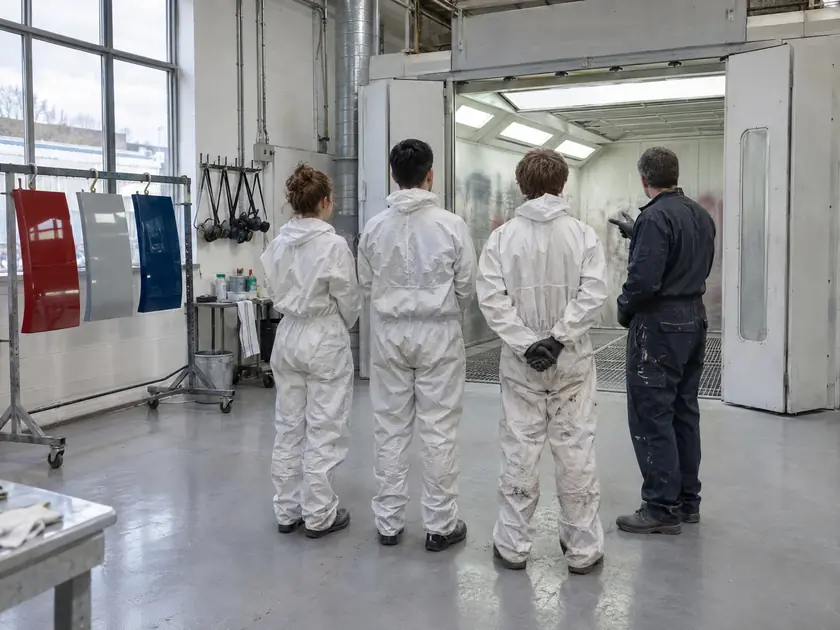
Why Do People Book Our Spray Painting Training Course?
Most people want a new job, a new skill for their trade, or their own business. Spraying is not "point and spray". Results depend on surface preparation, paint mixing, spray gun setup, pressure, distance, angle, overlap and speed.
UK job adverts for vehicle paint technicians were 35% higher in September 2026 than a year earlier. The wider motor trade had around 18,000 vacancies between July and September 2026. Yet only 114 people started a Vehicle Damage Paint Technician apprenticeship in the first quarter of 2025/26, a 20% fall from 142. The accident repair workforce is also losing around 1,700 skilled workers a year, with about 388 paint entrants against 836 exits.
Paint spraying is used far beyond vehicle refinishing, from the decorating industry to vans, machinery, furniture, metalwork and plastics. Many of these jobs are also covered by our spray painting services.
Who Are Our Spraying Courses For?
Our introductory training courses are designed for beginners, DIYers and untrained decorators. They also suit joiners, kitchen fitters and small business owners. A painter losing jobs because clients want sprayed kitchen doors fits here, as does a tradesperson starting a uPVC spraying business.
If you are interested in industrial work, our industrial spray courses address marine, rail, oil and gas applications.
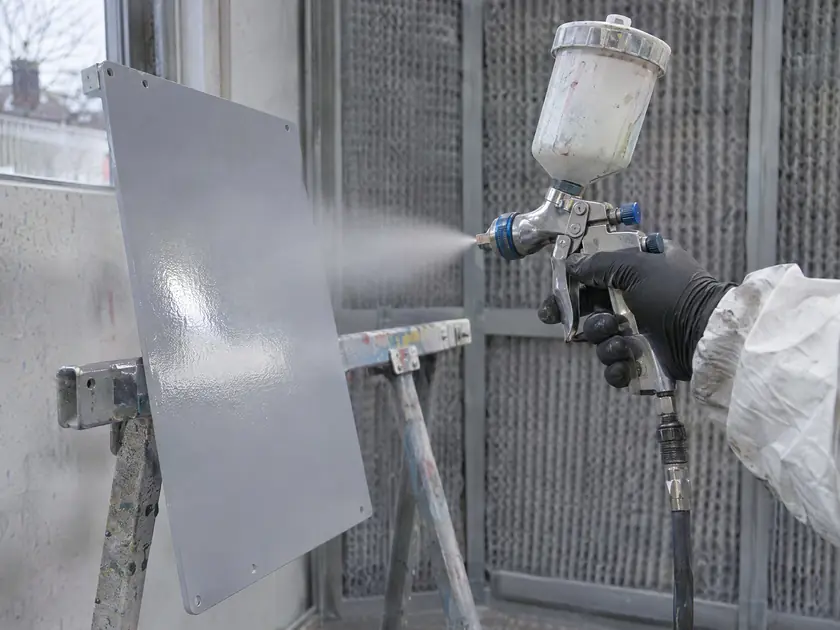
What Will You Learn on Our Painting Courses?
The major skills we teach are surface preparation, equipment operation and paint preparation. We then add the spraying techniques that fit your work, always to the highest standard. The most obvious skill is a steady hand, but hand eye coordination and good attention to detail matter just as much.
Which Spray Equipment Will You Learn to Use?
We cover airless spraying and HVLP spraying. HVLP stands for High Volume Low Pressure, and it suits fine finishes on furniture and doors. Air assisted airless spraying combines air and pressure.
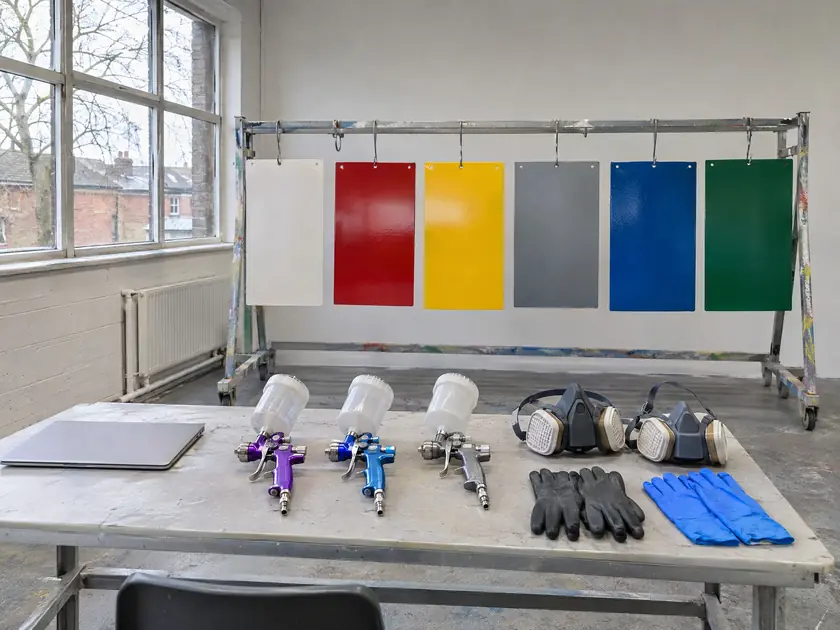
You learn to set up your spray equipment, because proper setup prevents clogs and keeps the paint smooth. You also learn to clean a spray gun after every use, which prolongs its life. You practise on kitchen units, furniture and uPVC windows, as furniture spraying and uPVC spray painting need different settings.
How Do We Teach Masking, Preparation and Finishing?
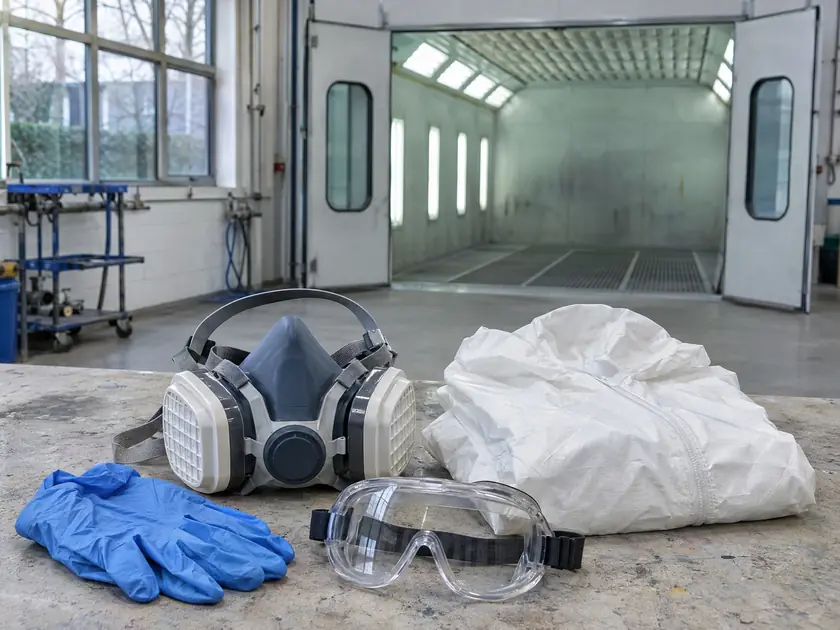
Training includes masking, surface preparation and equipment setup. Good prep helps paint stick, so you learn the different types of paint and the material types, such as wood, metal, plastic and uPVC.
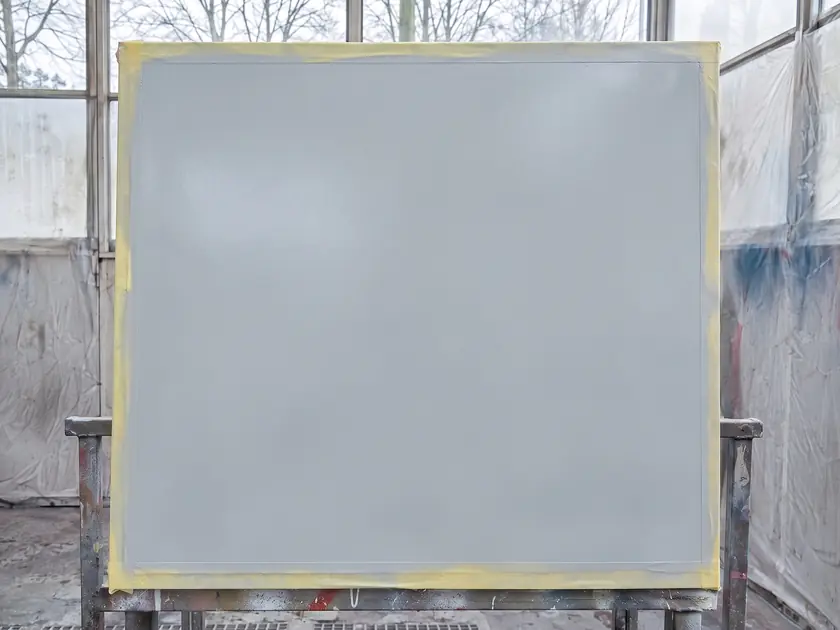
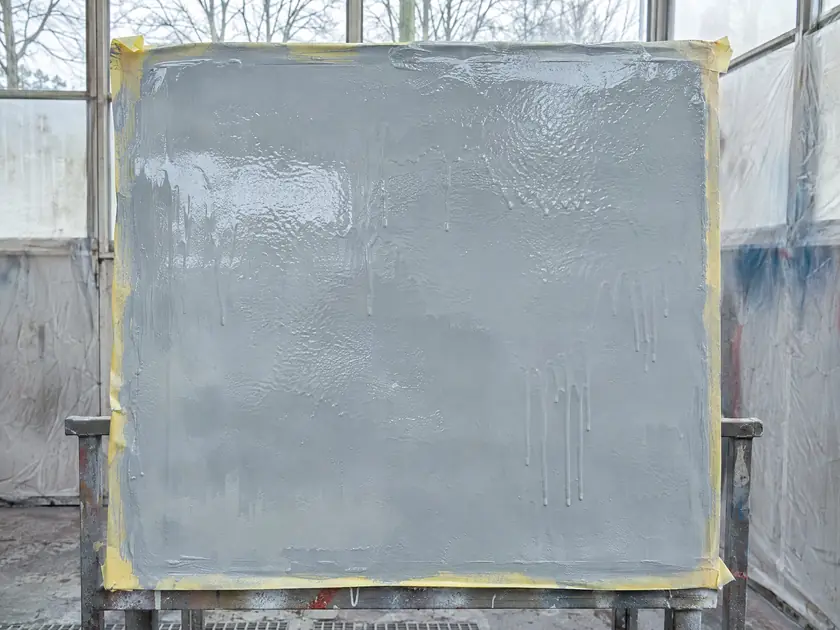
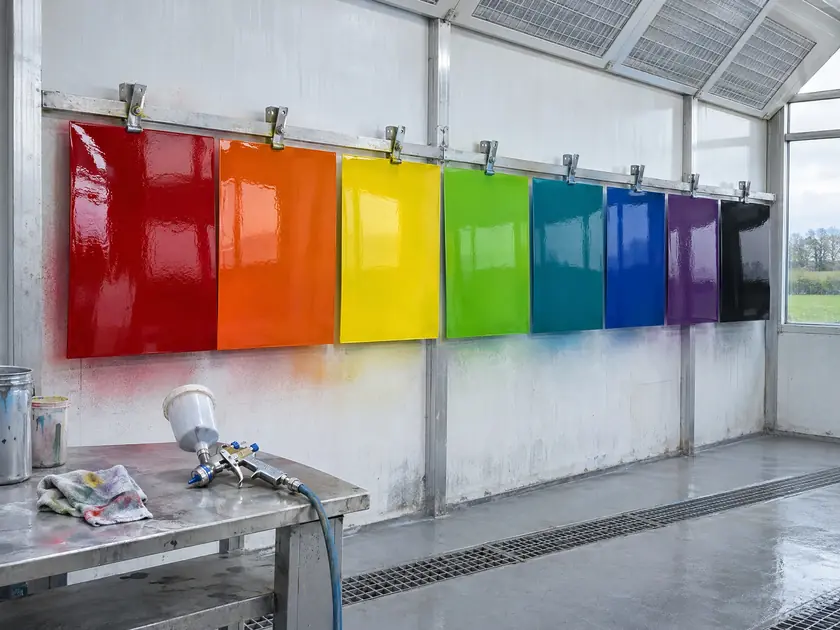
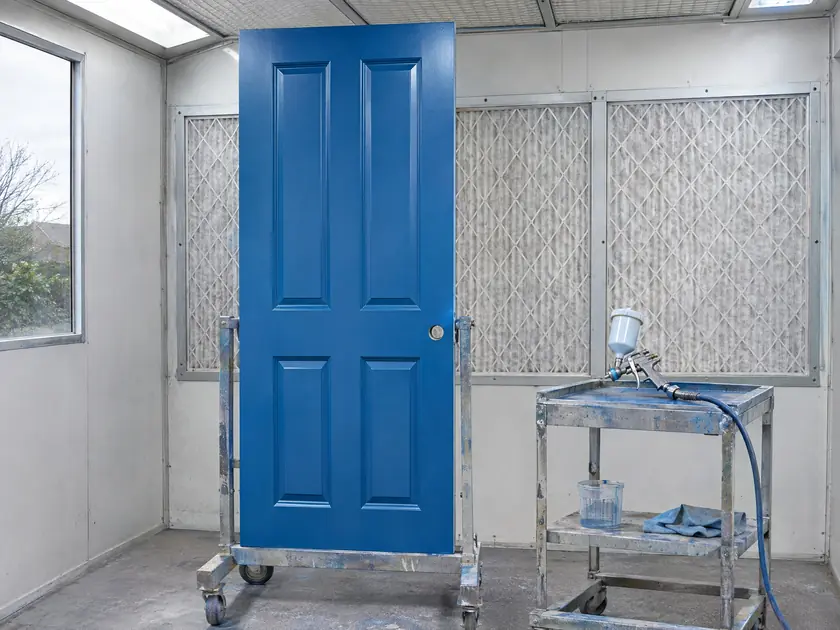
Finishing techniques give you smooth results without runs or dust marks, and practice gives even work across a whole door. Spraying techniques differ across automotive, furniture and other specialist work. Done right, you get a high speed finish with less waste and downtime, and a perfect finish every time.
What Safety Training Do You Get?
Health and safety is part of every course. We cover working with volatile organic compounds, wearing PPE and managing ventilation. Industrial coating applications made up about 7% of UK non methane volatile organic compound emissions in 2024, and that figure has fallen by 79% since 1990.
Vehicle paint sprayers have been estimated to be around 80 times more likely to develop asthma than the average worker when isocyanate mist is not controlled. Water based paint is not always isocyanate free. UK safety guidance says spray painting training should be repeated at least once every five years, or sooner when products, equipment or methods change.
Which Spray Painting Courses Can You Book?
We run three formats:
- Online study to build your knowledge at your own pace
- Part time sessions spread over several weeks
- Full hands on training courses at our training centre
The best courses give you hands on experience, not long talks. We will suggest the right paint spraying courses for your goal.
How Long Is a Spraying Course and How Long Does It Take to Qualify?
Courses typically last one to two days and are hands on. For example, a one day course covers the basics, and a two day course goes further into setup, masking and finishing.
Formal Level 3 routes, including Vehicle Damage Paint Technician and Surface Finisher apprenticeships, usually take two to three years. Our spray painting training gets you spraying in days. Becoming a qualified spray painter who wins steady work then takes practice.
What Qualifications Do You Need to Be a Spray Painter?
For most spraying work you do not need a legal qualification to start. Clients want proof you can work safely, so keep your safety training up to date.
Where Can You Learn to Spray Paint?
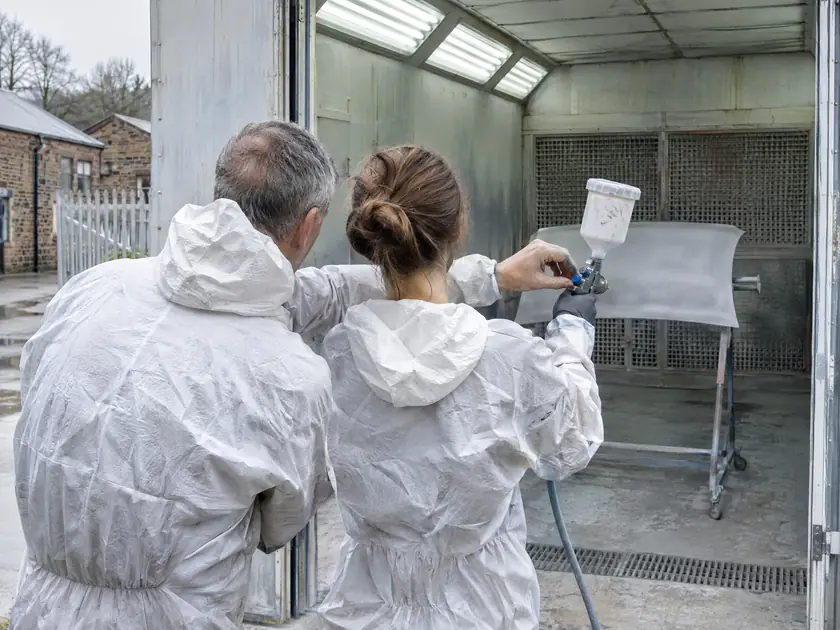
You can learn on the job, online or at a training centre. Our students start online, then move to a practical day with experienced professionals. Practical experience builds confidence, and successful sprayers keep practising.
Do Spray Painters Make Good Money?
A UK paint sprayer can typically earn between £23,000 as a starter and £45,000 with experience, depending on specialism, location and employer. Advertised salaries for vehicle paint technicians rose by 28% over two years.
How Much Does a Spray Painting Course Cost in Devon?
These are our rough prices based on recent projects:
- Online short course: about £20
- One day introductory spraying course: about £260
- Industrial sprayer training course: about £590
- Two day intensive airless spraying course: about £1,050
What Do PA1 and PA6 Courses Cost?
PA1 and PA6 are certificates for spraying pesticides, not paint, so we do not run them. As a rough idea, budget about £525 for both and around £385 for PA6 on its own.
The price is a rough guide and the actual cost varies with course length, group size and location. Please get in touch using our contact form for an accurate quote.
Get a Free Quote for Spray Painting Courses With Revamp Spray
Send us your details through the contact form and Revamp Spray will give you a free quote. We offer a lowest price guarantee and no hidden charges, and you simply enrol. You also get ongoing support after the course.
Questions people ask us
Straight answers before you book. Something else? Call free on 0800 086 2742.
How much does a spray painting course cost in Devon?
A spray painting course costs about £20 for an online short course, about £260 for a one day introductory spraying course, about £590 for industrial sprayer training and about £1,050 for a two day intensive airless spraying course. These prices are a rough guide and the actual cost varies with course length, group size and location. Please use the contact form for an accurate free quote.
How long does a spray painting course take?
A spray painting course typically lasts one to two days and is hands on, with a one day course covering the basics and a two day course going further into setup, masking and finishing. Formal Level 3 routes, such as the Vehicle Damage Paint Technician and Surface Finisher apprenticeships, usually take two to three years. Contact us and we will suggest the right course for your goal.
What qualifications do you need to be a spray painter?
You do not need a legal qualification to be a spray painter for most spraying work, so you can start with a training course. Clients still want proof that you can work safely, and UK safety guidance says spray painting training should be repeated at least once every five years, or sooner when products, equipment or methods change. Health and safety is part of every course we run.
Can beginners take spray painting courses?
Yes, beginners can take spray painting courses, because our introductory training is designed for beginners, DIYers and untrained decorators. It also suits joiners, kitchen fitters and small business owners, and you learn in a real training centre with a spray gun in your hand.
Where can you learn to spray paint?
You can learn to spray paint on the job, online or at a training centre. Our students start online, then move to a practical day with experienced professionals. Send us your details through the contact form for a free quote.
Do spray painters make good money?
Spray painters can make good money, as a UK paint sprayer can typically earn between £23,000 as a starter and £45,000 with experience, depending on specialism, location and employer. Advertised salaries for vehicle paint technicians rose by 28% over two years. These figures are a rough guide and the actual amount varies.
Every part of Devon
We cover all of Devon. Pick your town or another service, or just send your postcode with your photos.
- Spray Painting Courses PlymouthDevon
- Spray Painting Courses ExeterDevon
- Cladding Spraying DevonAlso in Devon
- Exterior House Painting DevonAlso in Devon
- Furniture Spraying DevonAlso in Devon
- Garage Door Spraying DevonAlso in Devon
- Intumescent Painting DevonAlso in Devon
- Kitchen Spray Painters DevonAlso in Devon
- On-Site Spraying DevonAlso in Devon
- Roof Painting DevonAlso in Devon
- Shop Front Spraying DevonAlso in Devon
- uPVC Door Spraying DevonAlso in Devon
- uPVC Spraying DevonAlso in Devon
- uPVC Window Spraying DevonAlso in Devon